.png)




.png)


.png)
WATERSENS will demonstrate and validate its solutions in seven demo sites across Europe and South Africa.
Current situation
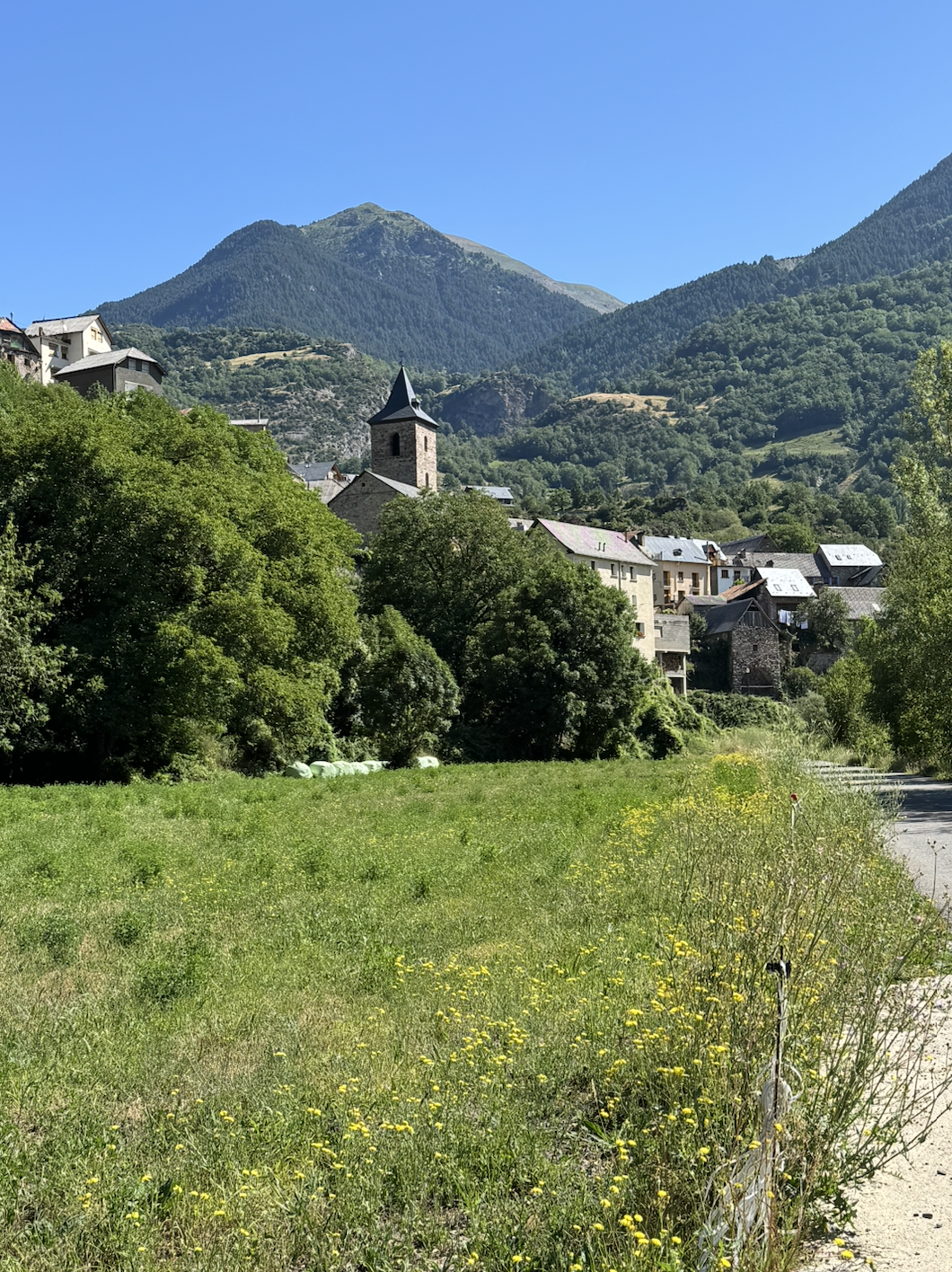
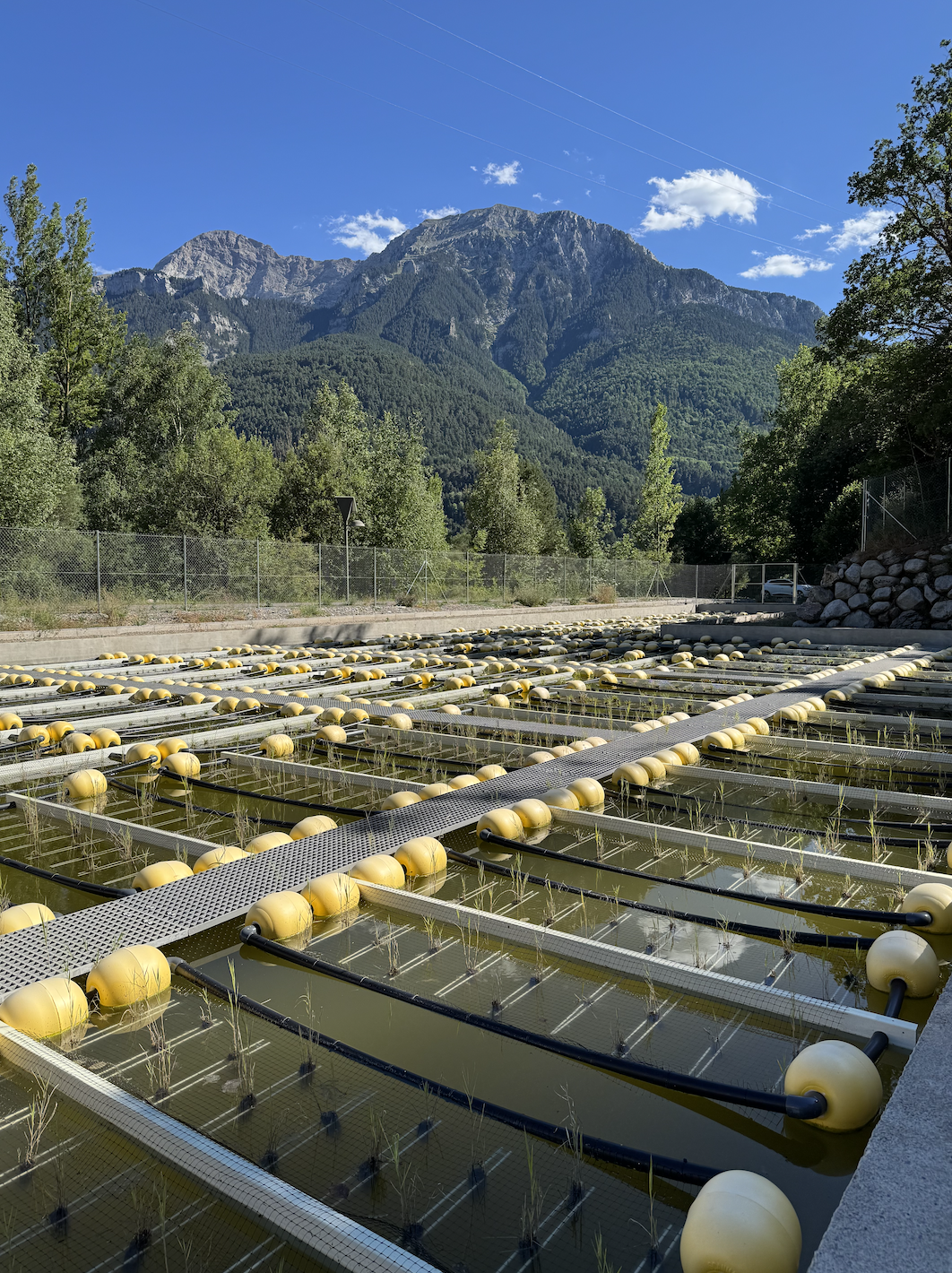
Mountainous rural areas are dispersed andhard to connect, making large conventional wastewater treatment plantsunfeasible. Conventional systems are costly, energy-intensive, and difficult tomaintain, often failing under flow/load variations.
Challenge
To provide low-energy, low-maintenance, resilient nature-based solution that fit well into natural landscapes, boostbiodiversity, and comply with new EU wastewater standards, even in cold mountain climates with high seasonal population variation.
Our solution
WATERSENS will validate walkable Phytobatea® technology to deploy large-scale Floating Treatment Wetlands forrural wastewater advanced treatment, and circular self-management protocolswith local stakeholders.
Current situation
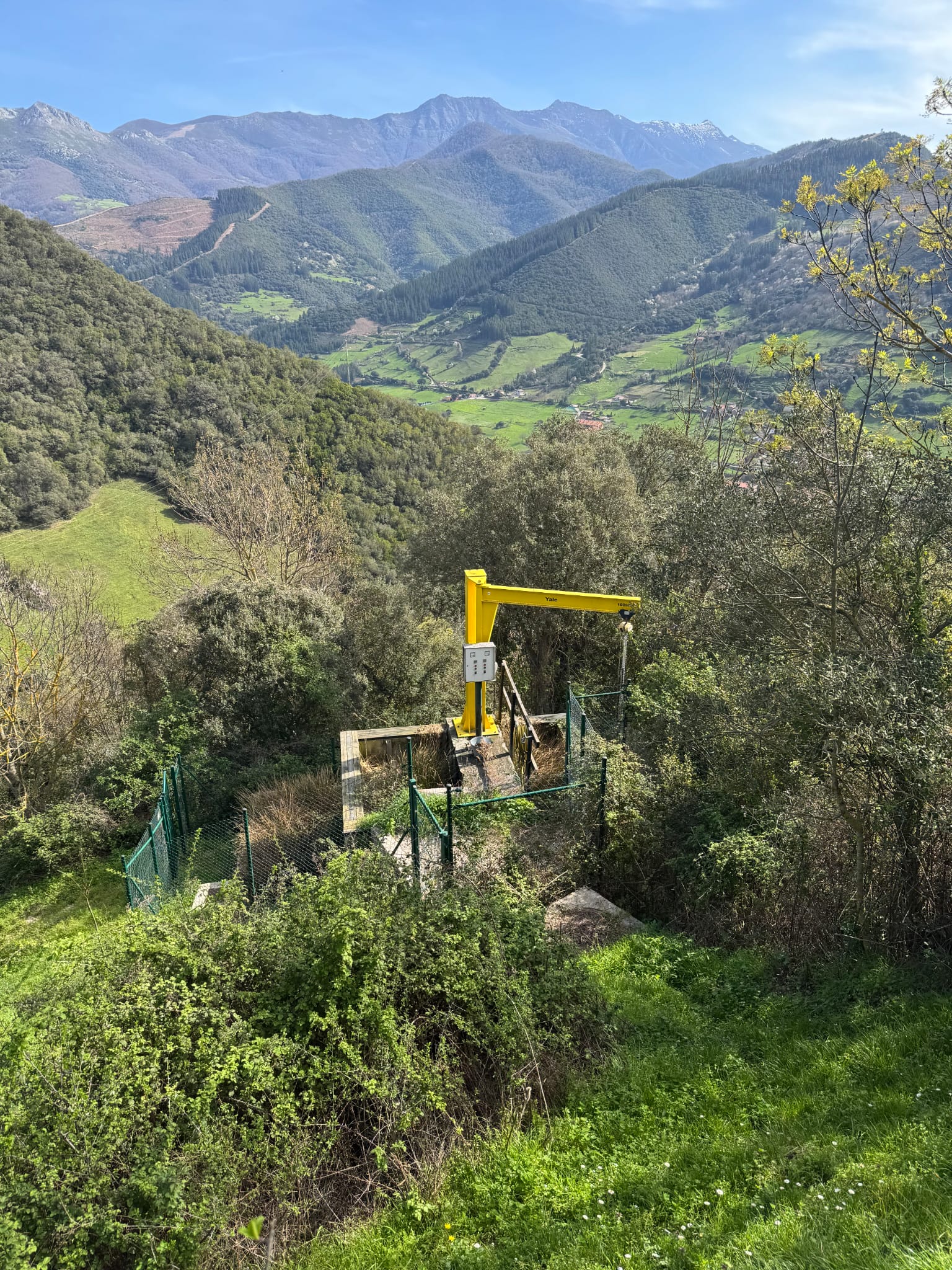
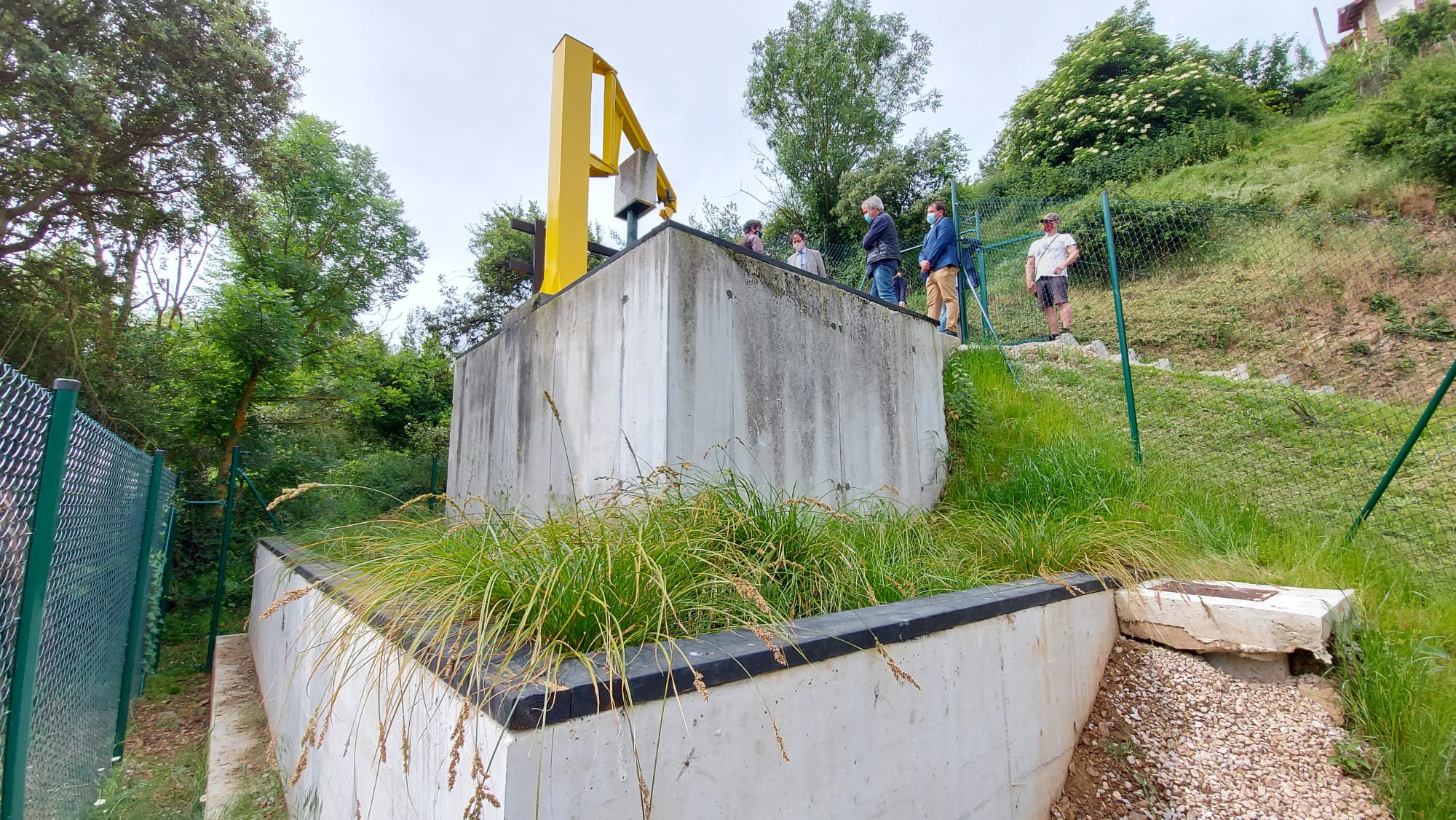
Many small conventional waste water treatment plants stop operating (or are abandoned) due to technical maintenance complexity and energy consumption that rural municipalities cannot afford.
Challenge
Instead of demolishing it, the existing infrastructure is reused to create an ultra-compact, low-energy, easy to operate phytoremediation system capable of achieving advanced tertiary treatment levels throughout the year.
Our solution
WATERSENS will demonstrate a novel hybrid Floating Treatment Wetland –Microalgae PhotoBioReactor System for advanced nutrient removal and disinfection, occupying less than 2 m² per inhabitant equivalent.
.png)
Current situation
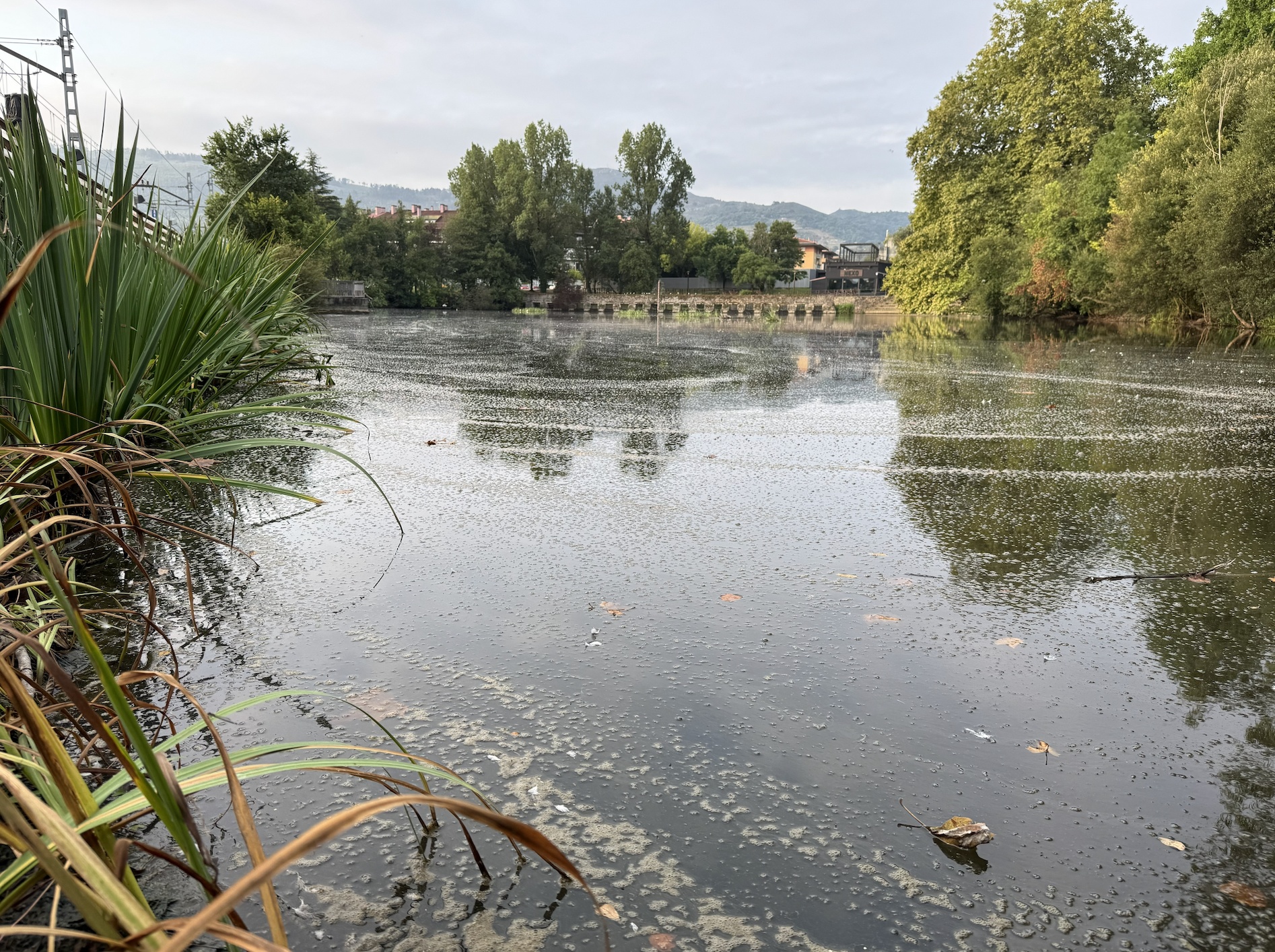
Stormwater ponds are widely used to retain and treat runoff in urban areas, but they are often poorly designed and maintained. This leads to low treatment efficiency, eutrophication, invasive species, and limited aesthetic or ecological value — as seen in the selected site.
Challenge
To retrofit existing stormwater ponds into multifunctional blue-green infrastructures that efficiently treat stormwater during rainfall events and improve the environmental quality, appearance, and community use of the pond.
Our solution
WATERSENS will demonstrate walkable Phytobatea® Floating Treatment Wetlands (FTWs) to upgrade the stormwater pond through two treatment stages:
At inlets: Large-scale FTWs slow stormwater flow and filter solids, nutrients, organic matter, pesticides, and heavy metals during rainfall.
Within the pond: Water is circulated through FTWs to increase oxygen levels, reduce nutrients, and prevent eutrophication.
.jpg)
Current situation
Rural WWTPs need low-energy, circular solutions. Purple phototrophic bacteria (PPB) technology is promising but must improve nutrient removal to comply with future EU rules on advanced wastewater treatment.
Challenge
PPB systems must be improved to ensure effective nutrient removal and produce water safe for reuse or discharge. This involves integrating advanced, low-energy, zero-waste treatments that align with future EU water reuse and discharge requirements.
Our solution
WATERSENS will implement a novel Photo-Bioelectrochemical (PBEC) system in anaerobic raceways, using charged biochar to enhance nutrient removal. Biochar improves bacterial electron transfer, boosting nitrogen assimilation while keeping the system simple and energy-efficient.
Current situation
In Lisbon, greywater is mixed with blackwater and treated in centralised WWTPs, while stormwater is drained directly. Public buildings—especially in water-scarce areas—need to reduce their water footprint by reusing non-potable water whenever possible, following EU Water Reuse Regulation 2020/741 and a fit-for-purpose approach.
Challenge
To reduce water use in public buildings by increasing greywater reuse and making green infrastructures more efficient and sustainable.
Our solution
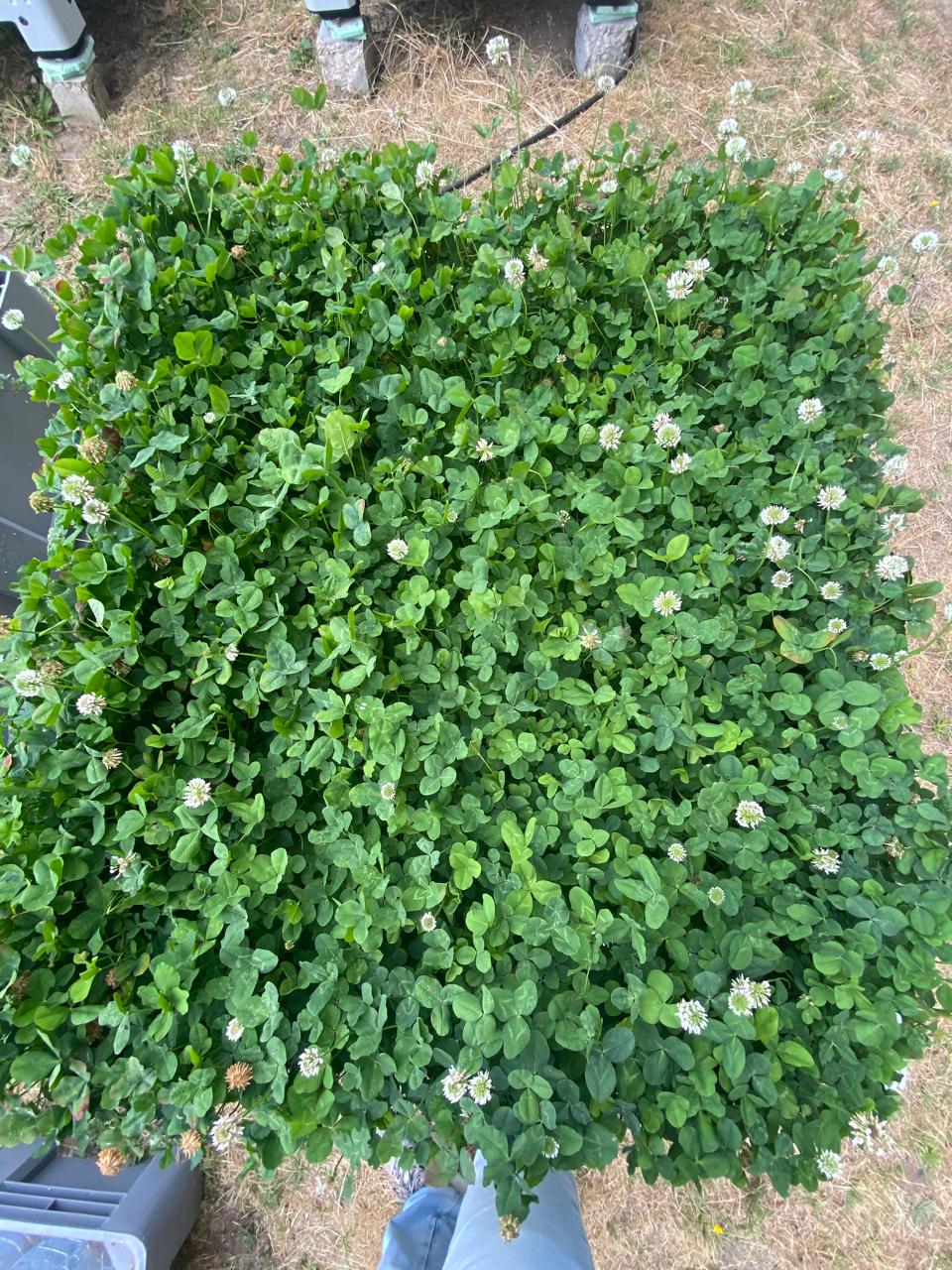
WATERSENS will enhance an existing green wall to treat and reuse greywater on campus and evaluate its integration with a pilot green roof. Together, they will form a circular system for treating and reusing rainwater and greywater for non-potable uses. The project will optimise plant species, substrates, and irrigation strategies to improve efficiency and scalability.

Current situation
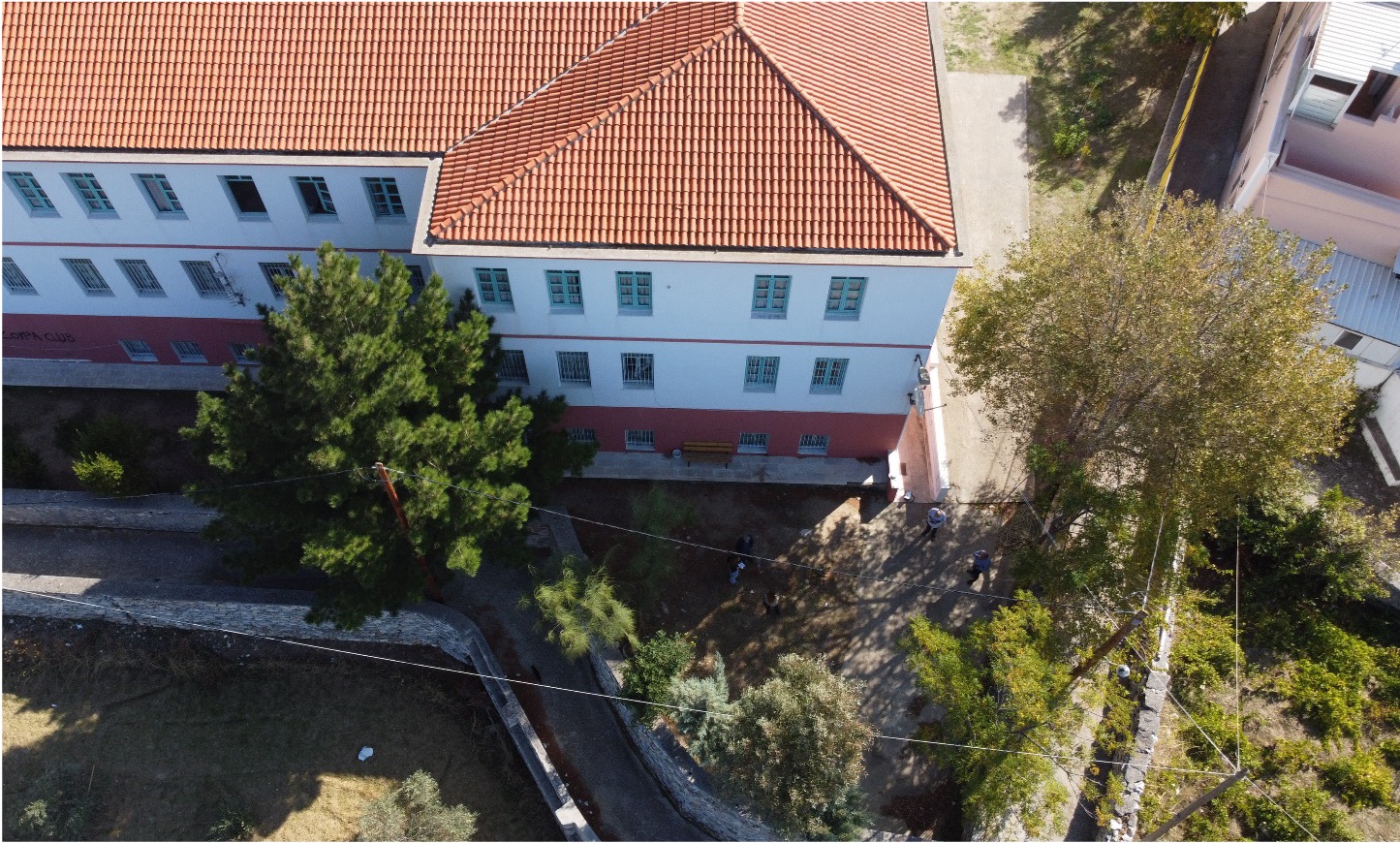
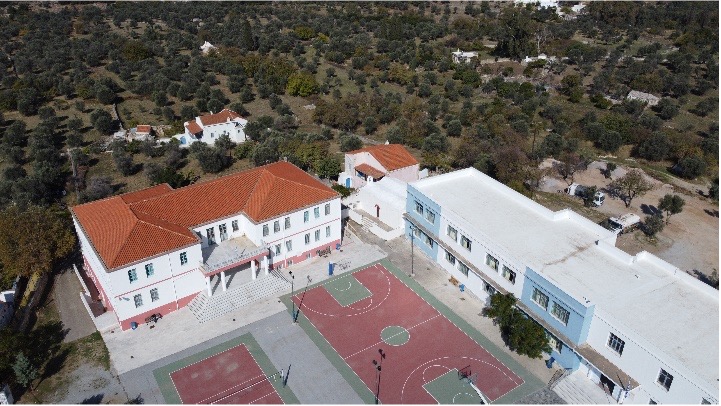
On Naxos, the island’s geology and terrain limit surface water availability. Household supply relies on small reservoirs and private drilling, but both fall short—especially in summer. To meet demand, authorities increasingly depend on desalination and deeper drilling, which are costly and unsustainable.
Challenge
To modernise and restore traditional cisterns so they can reliably harvest rainwater and reduce dependence on costly, unsustainable solutions like desalination and deep drilling—especially during peak summer demand.
Our solution
WATERSENS will create a modern cistern prototype with multi-stage filtration, a pumping unit, and water-quality monitoring to safely reuse up to 40 m³ of rainwater for domestic needs. The project will evaluate treatment options based on intended use, assess existing cisterns for restoration, and develop a regional integration model using performance data, rainfall patterns, and GIS analysis to support wider adoption across the island.
Current situation
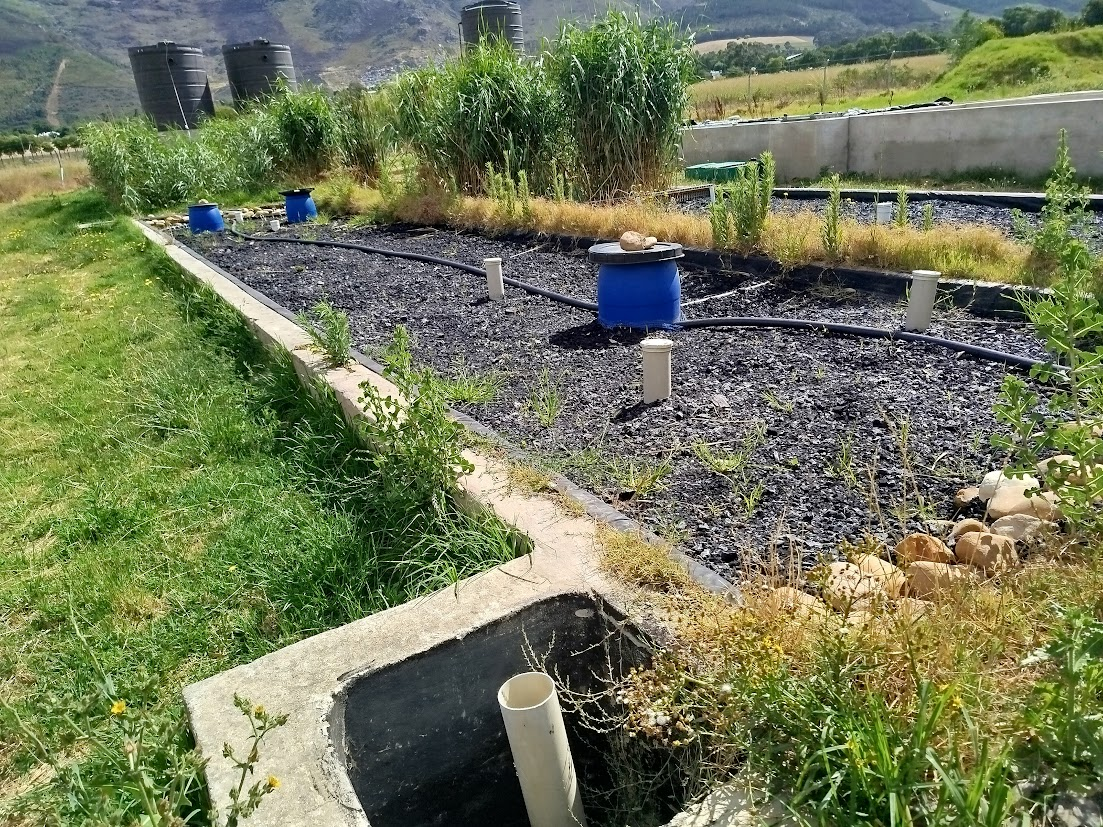
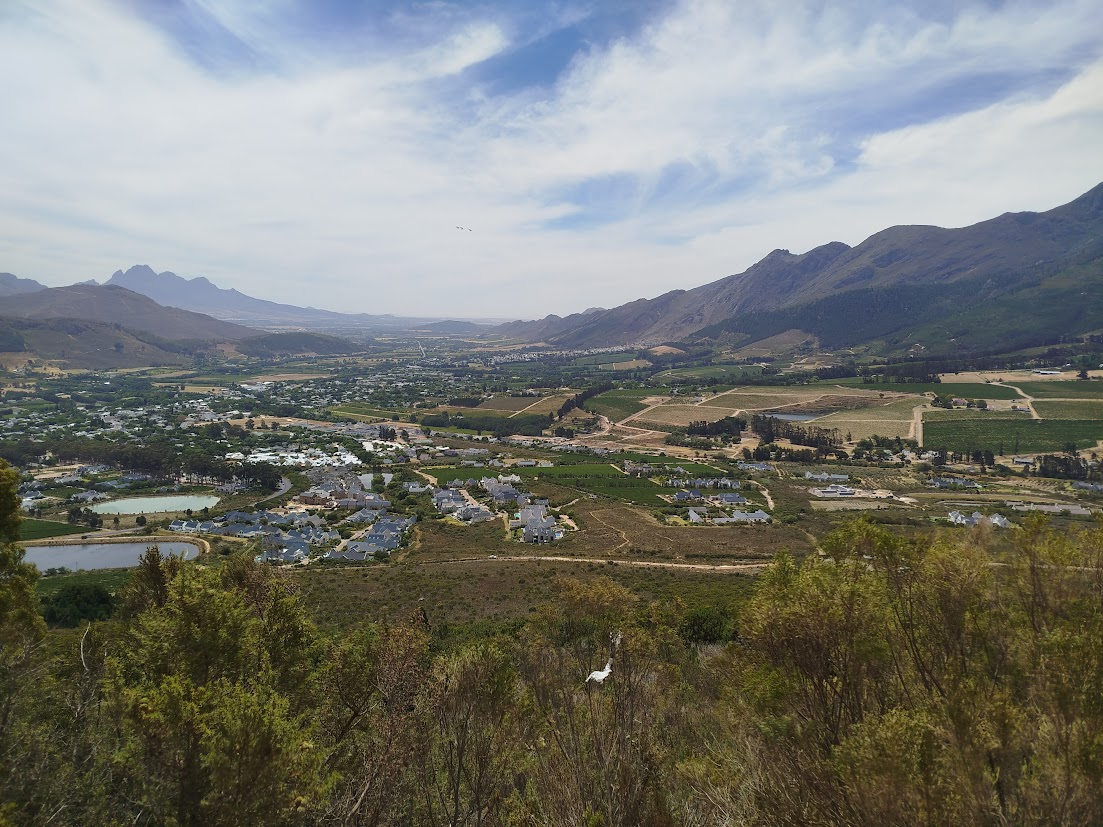
In South Africa’s informal settlements, limited water infrastructure leads to greywater and blackwater flowing directly into the Stiebeuel River, contaminating water relied on by local farmers. The Water Hub has shown that biofiltration cells can treat many pollutants, but water quality becomes inconsistent during low-flow periods, and contaminants of emerging concern (CECs) like microplastics and pharmaceuticals remain a concern.
Challenge
To demonstrate that the biofiltration system can reliably remove CECs and produce safe, high-quality irrigation water, supported by continuous monitoring to ensure treatment performance under all flow conditions.
Our solution
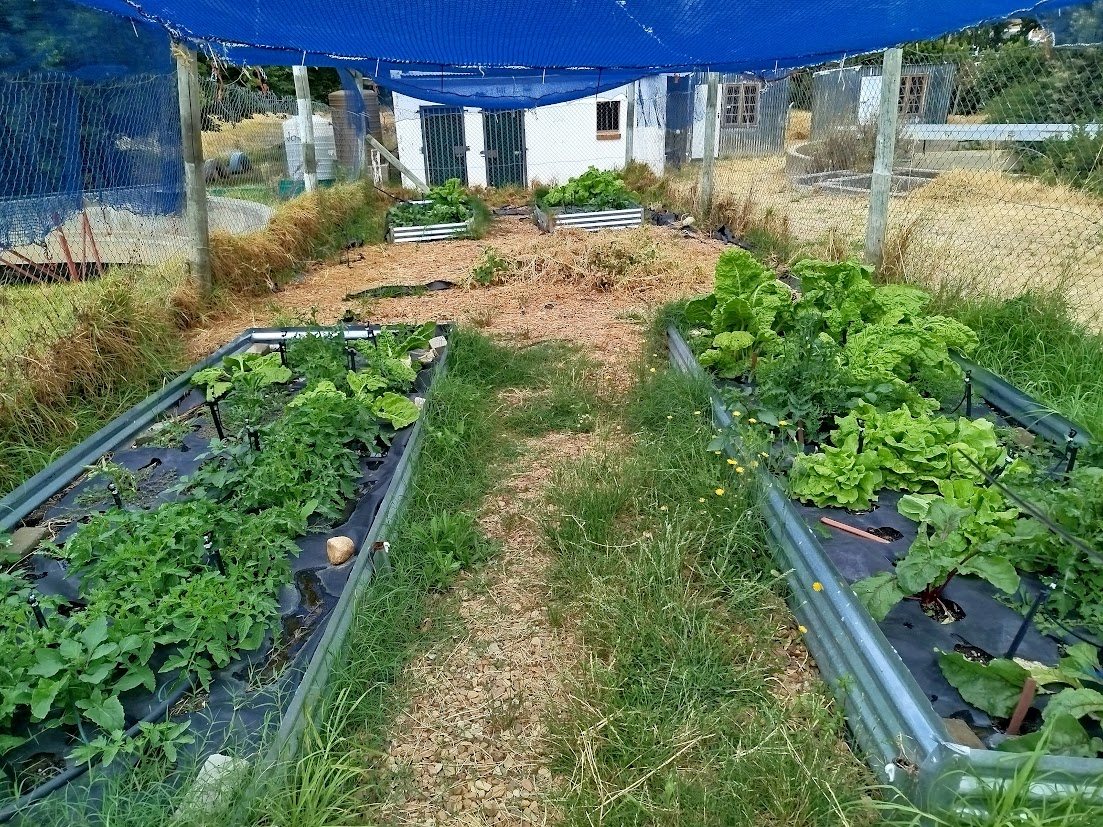
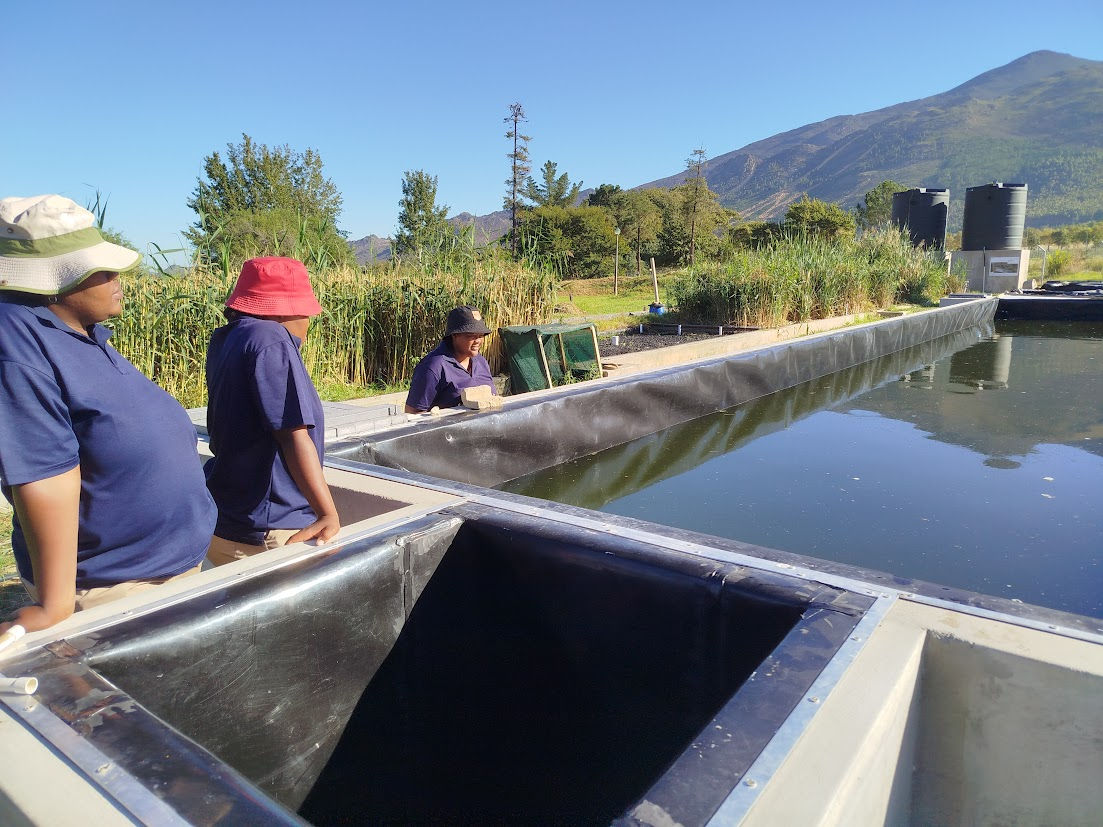
WATERSENS will scale up the Water Hub’s system into a continuous-flow field-scale biofiltration treatment, supported by digital monitoring. Two new biochar-filled cells will improve removal of ammonia, E. coli and CECs, while treated water will irrigate a 1.5-ha agricultural test site. Spent biochar will be safely reused to enrich soils, and native plants will support additional contaminant removal. An IoT‐based system will optimise performance and provide early warnings of contamination.
For more information concerning the WATER HUB activities, visit their website https://www.thewaterhub.org.za/