.png)




.png)


From expert dialogue to stakeholder co-design: WATERSENS brings Europe’s water community together in Lucca
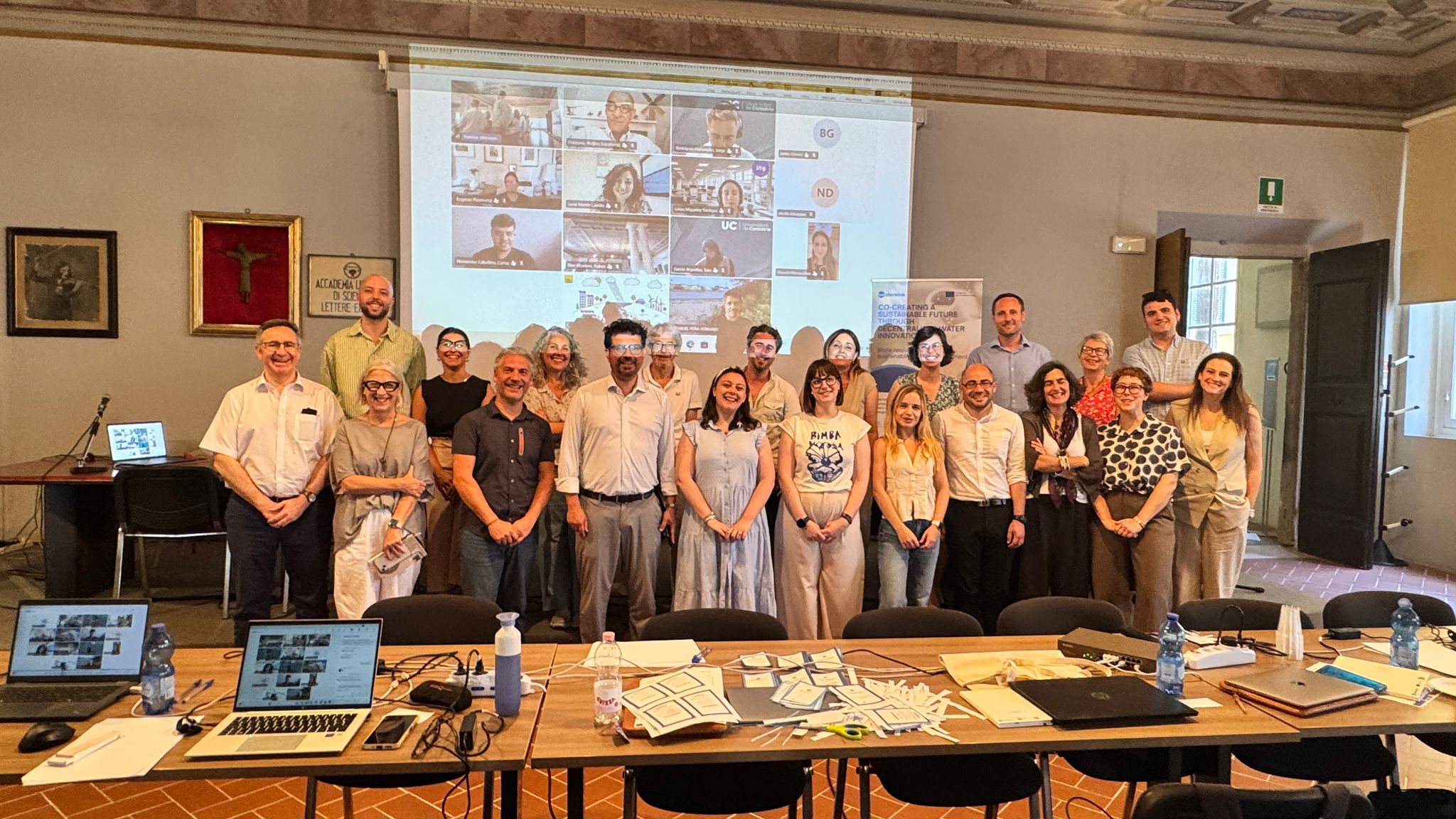
Between 17-19 June 2026, the WATERSENS project brought together researchers, policymakers, water utilities, public authorities, businesses, and local stakeholders in Lucca, Italy, for three days of discussion, collaboration, and co-design dedicated to the future of decentralised water management.
Developing new methodologies for better water governance
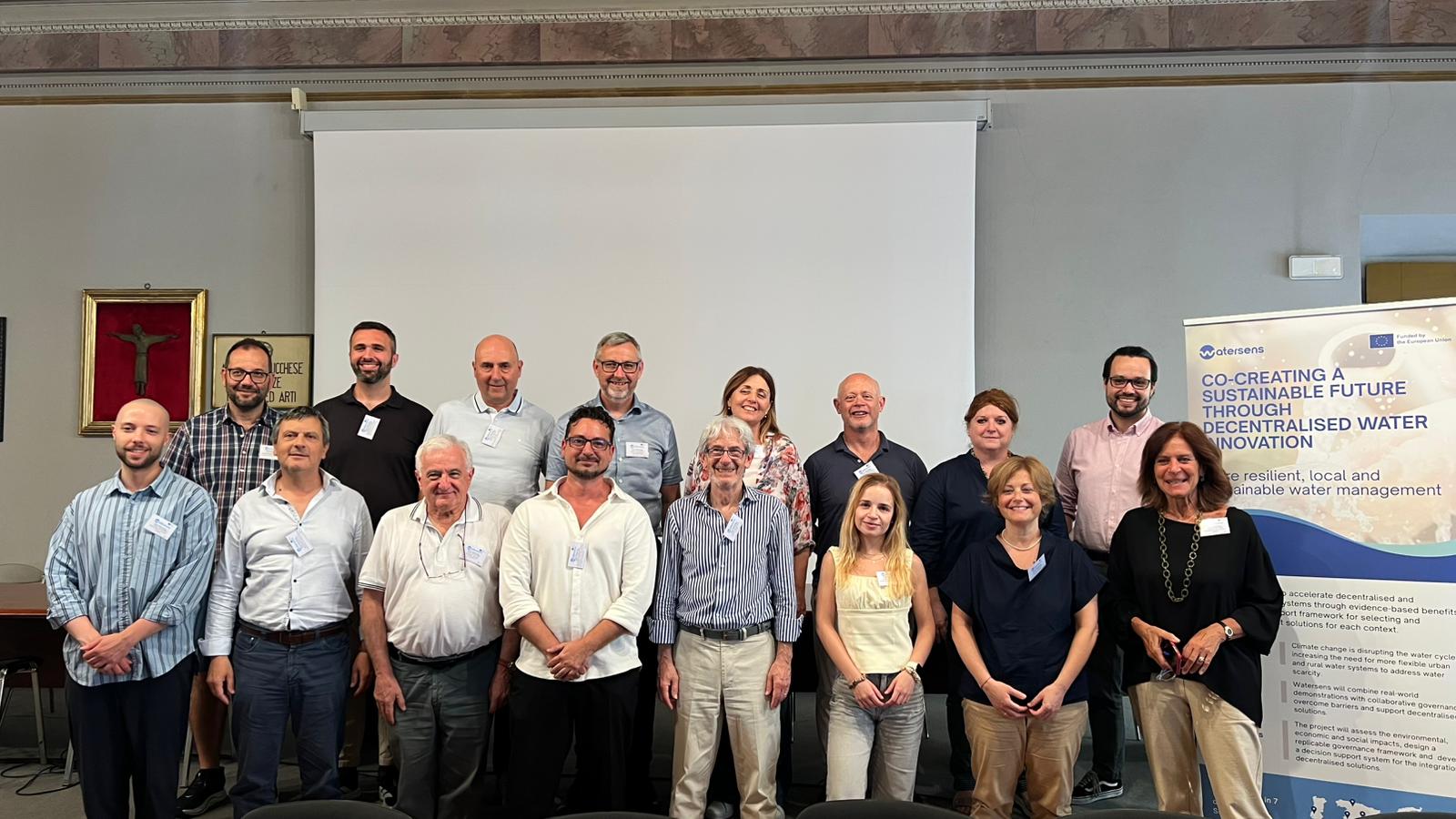
The programme began on 17 June with two expert workshops organised by Klink Srl, bringing together thirteen specialists from academia, public authorities, water utilities, consultancies, and innovation organisations across Europe.
The workshops focused on advancing the Water Decentralisation Evaluation (WADEV) methodology, an innovative framework designed to support decision-makers in evaluating investments in decentralised water management solutions. Rather than relying solely on traditional Cost-Benefit Analysis, the methodology also considers environmental, social, governance, and community values that often remain outside conventional economic assessments.
Throughout the day, participants worked collaboratively on realistic decentralisation scenarios, discussing how factors such as community resilience, cultural heritage, environmental protection, procedural fairness, and long-term sustainability should be considered when planning future water infrastructure investments. Their expertise also contributed to refining the financial parameters and decision-making framework that will form part of the future WATERSENS Decision Support System.
The valuable feedback collected during these sessions will support the next development phase of the WADEV methodology and strengthen its practical applicability across different European contexts.
Discussing the future of decentralised water management
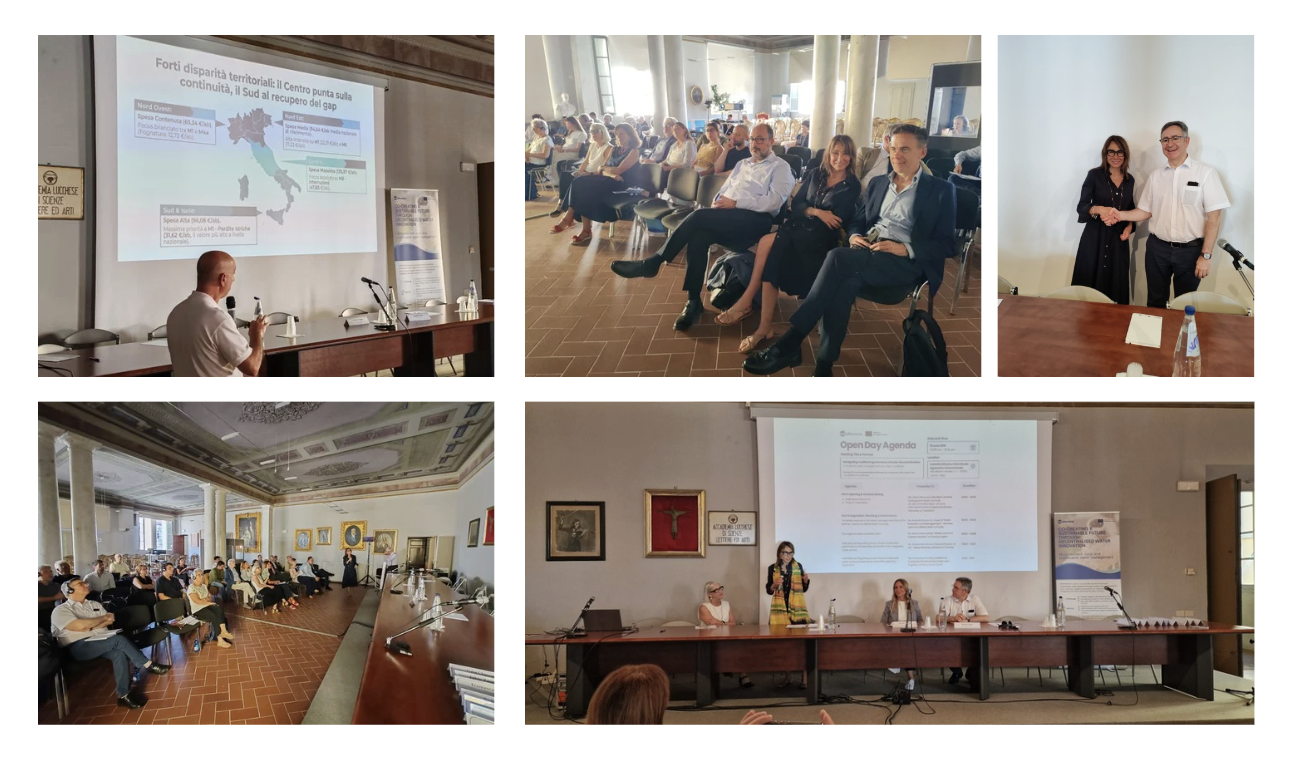
Building on the expert discussions, the WATERSENS Open Day took place on 19 June, bringing together local and regional authorities, water utilities, researchers, consortium partners, industry representatives, and other stakeholders interested in improving water and wastewater management in Tuscany.
Hosted by the Northern Apennine District Basin Authority, the morning session focused on the governance challenges associated with decentralised water management. Institutional representatives and technical experts shared their perspectives on regional water management, wastewater reuse, planning processes, and the role that decentralised solutions can play in strengthening water resilience.
The programme also introduced participants to the WATERSENS project and its ambition to develop a digital Decision Support System (DSS) capable of supporting planners, municipalities, and water managers in identifying the most suitable decentralised water solutions.
The presentations were followed by an open discussion that addressed several key topics, including PFAS and other emerging pollutants, evolving regulatory frameworks, and the applicability of the WATERSENS technologies within the local context. Participants exchanged views on both the opportunities and challenges associated with implementing decentralised solutions and highlighted the importance of combining technological innovation with effective governance and stakeholder collaboration.
Co-designing the WATERSENS digital tools
The afternoon sessions shifted from discussion to active participation through two interactive co-design workshops focusing on the development of the WATERSENS Decision Support System (DSS) and the project's future digital educational game.
During the first workshop organised by ITG and Three o'clock, participants reviewed the functionalities already defined for the DSS, helping validate and prioritise future developments. Building on feedback collected during previous stakeholder consultations, they proposed additional functionalities and discussed how the platform could better respond to the operational needs of municipalities, water utilities, planners, and other end users. The discussions reinforced the importance of designing digital tools together with their future users to ensure that the DSS remains practical, transparent, and adaptable to different governance and territorial contexts.
The second workshop introduced the initial concept of the WATERSENS digital educational game, planned for development after October 2027. Participants explored potential learning objectives, target audiences, and game scenarios, while providing valuable feedback and new ideas that will directly support the next stages of the game's development.
Together, both workshops demonstrated the value of co-design in developing user-centred digital solutions that combine technological innovation with stakeholder knowledge and real-world needs.
Final words
The three days in Lucca highlighted the importance of collaboration in developing innovative and practical solutions for decentralised water management. Alongside the expert workshops and the Open Day, the WATERSENS consortium also met on 18 June to review the project's progress, discuss the latest technical developments, and define the priorities and next steps for the months ahead.
Interested in receiving the news in Italian? Read this blog post.