.png)




.png)


Building Water Resilience in Naxos island: How Local Collaboration Drives the WATERSENS Project
At the heart of the WATERSENS project is a simple belief: meaningful and lasting solutions only emerge when science and local communities work together. One of the clearest examples of this collaboration is unfolding on the Greek island of Naxos, where water scarcity has long shaped everyday life.
Before the kick off the project, Dr. G.-Fivos Sargentis from the National Technical University of Athens (NTUA) took to the airwaves of Aegean Voice 107.5 FM. Speaking directly to the residents of Naxos, he introduced the WATERSENS project and explained its vision: to revisit and modernise the island’s traditional rainwater harvesting practices using innovative technologies that improve water availability and monitoring.
In his interview, Dr. Sargentis emphasised how Cycladic islands have historically relied on rainwater collection for self-sufficiency. WATERSENS builds on this heritage by testing a modern experimental cistern equipped with tools for real-time water quality monitoring. The goal is to explore practical, locally grounded solutions for household water supply, small-scale irrigation, and better resource management.
He also expressed warm thanks to the local stakeholders—engineers, water experts, and the Municipality of Naxos and Small Cyclades—for their enthusiasm and active support.
A Stakeholder Meeting That Moved the Project Forward
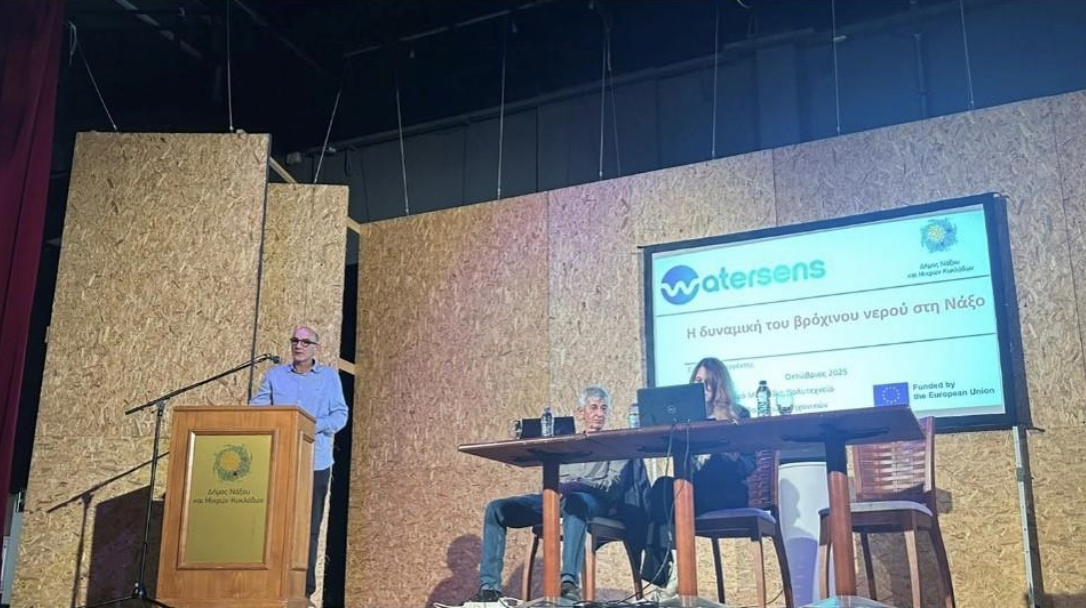
A few months after the interview, at the beginning of October 2025, the NTUA team—Dr. Sargentis and researcher Theano Iliopoulou—traveled to Naxos to meet these stakeholders in person. Together, they organised an interactive meeting that brought local authorities, engineers, and community representatives around the same table.
The purpose was twofold:
- To present the WATERSENS project and its planned activities on the island.
- To jointly identify a suitable location for installing the experimental rainwater cistern.
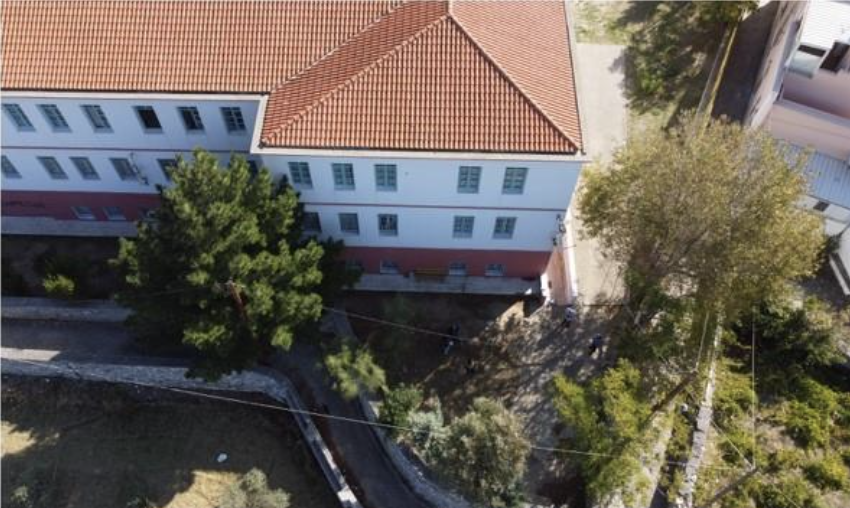
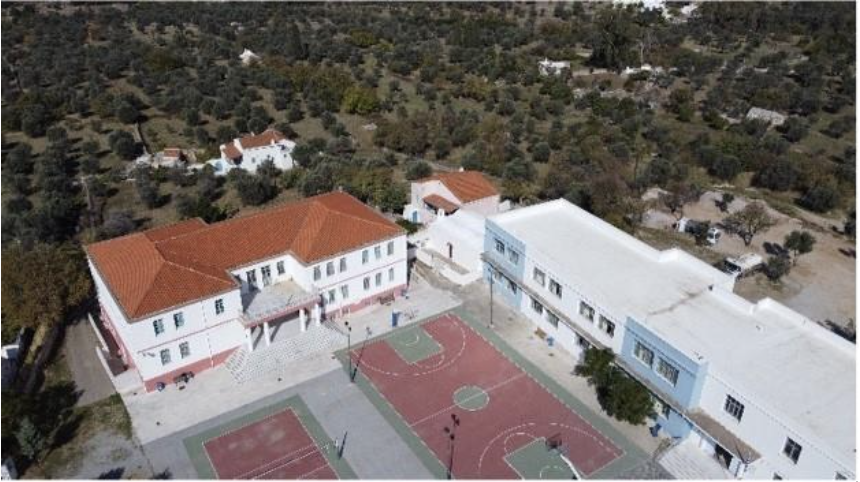
After a constructive discussion and a site visit, the group selected the school of Chalki village as the installation site. This decision is particularly meaningful: placing the cistern next to a school not only supports local needs but also helps raise awareness among students and young residents about climate change, water scarcity, and sustainable water use.
What Comes Next
Over the coming months, WATERSENS will continue to deepen its work in all pilot regions, including Naxos. This will include:
- Co-creation workshops with citizens and local organisations
- Training sessions for municipal staff and water professionals
- Open Days where residents can learn about the technologies and share their views
Community involvement remains a cornerstone of the project, ensuring that solutions are not only technically sound but also embraced and understood by those who will use them.
A Words of Thanks
We extend our sincere appreciation to Mayor Dimitris Lianos, the municipality’s technical departments, local engineers, and everyone who contributed to the successful meeting. Their engagement is instrumental in shaping practical and sustainable water solutions tailored to the island’s unique context.